


A new white paper published by Future Needs consultancy in the framework of the recently completed BURDI Digital Sky Demonstrator offers a data-driven analysis of how prospective users perceive U-space services, what they are willing to pay for them, and which barriers still stand in the way of adoption.
The white paper, Pricing the Sky: Analysing Real-World Demand for U-space Services, presents findings from research carried out under BURDI to assess the economic and behavioural conditions shaping the early U-space market.
Authors Anna Palaiologk, Mahdi Gholami and Nikoleta Krousouloudi focus on the early deployment phase of U-space, reflecting a market that is still evolving in terms of operational maturity, regulatory implementation and commercial structures. It is intended to support policymakers, service providers and industry stakeholders in shaping business models and policy approaches for the next phase of U-space deployment in Europe.
Based on survey evidence from 42 current and prospective drone operators, it examines willingness to pay, expected usage patterns, preferred pricing models, perceived benefits and the role of regulatory uncertainty across different national contexts.
For example, approximately 40 percent of respondents state they have no current intention to
use or pay for U-space services, and among those who do, the maximum willingness-to-pay caps at approximately EUR 100 per operation.
“The analysis shows that U-space currently displays many of the characteristics of an infant market: uptake remains limited, operational experience is still low, and users are highly sensitive to costs,” SESAR Joint Undertaking said in a press release regarding the white paper. “However, the findings also point to strong latent demand, with more than half of respondents expressing strong interest in the future development of U-space.”
The research found that demand for U-space services is largely mission-based, arising when a specific drone operation requires additional coordination, authorisation or safety assurance – suggesting that current demand is better suited to pay-per-flight or per-operation pricing models than to monthly or annual subscriptions.
The paper also notes that users place the greatest value on safety, operational efficiency, service quality and ease of use. It identifies regulatory ambiguity as a significant barrier, with differing national requirements contributing to uncertainty and perceived costs.
SESAR JU says that the findings underline the importance of cross-border harmonisation, lower entry barriers and user-centred service design if U-space is to move from pilot deployment to a commercially viable European ecosystem.
For more information
Pricing the Sky report at SESAR JU
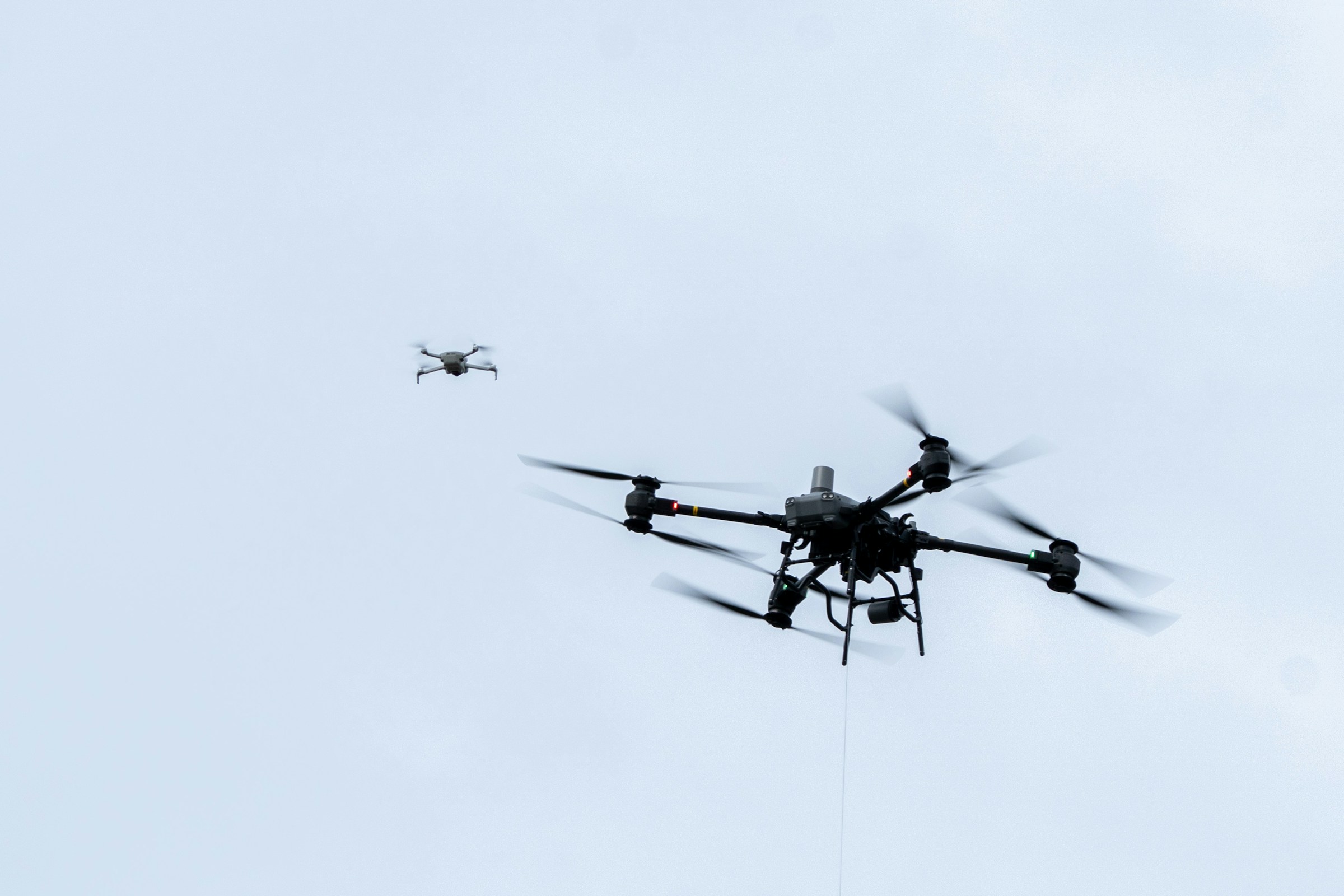
Image: Valentin Zickner / Unsplash